
Listen Live
Pause
Sorry, no results.
Please try another keyword



Jerome was born in the old Roman province of Dalmatia in the mid-fourth century. He studied in Rome, where he was eventually baptized, then in other parts of Europe, before departing for the East. He spent some time as a hermit near Antioch, in which city he was ordained, and became a good friend of St. Gregory Nazianzen in Constantinople. Jerome served for several years in Rome, where he assisted Pope St. Damasus I, but his often harsh temperament and blunt criticisms made him unpopular, and after the Pope’s death Jerome returned to the East. He lived the rest of his life in devout asceticism at a monastery in Bethlehem. While in Rome Jerome had begun the work of translating a new Latin edition of the Holy Bible, which came to be known as the Vulgate, or the “commonly used” version. The Vulgate was affirmed as the official Latin version of the Bible by the Council of Trent. Jerome wrote many other works, including much commentary on Scripture, and he corresponded frequently with other Church Fathers like St. Augustine. His relics were brought back to Rome some time after his death in the year of Our Lord 420. Jerome is often portrayed accompanied by a lion, which he had healed and tamed at his monastery.
IN Bethlehem of Juda, the decease of St. Jerome, priest and Doctor of the Church, who, excelling in all kinds of learning, imitated the life of the most approved monks, and disposed of many monstrous heresies with the sword of his doctrine. Having at length reached a very advanced age, he rested in peace, and was buried near the manger of our Lord. His body was afterwards conveyed to Rome, and deposited in the basilica of St. Mary the Greater.
The same day, the holy martyr Leopardus, of the household of Julian the Apostate. He was beheaded at Rome, and his body was subsequently taken to Aix-la-Chapelle.
At Soleure, in Switzerland, in the time of the emperor Maximian, the passion of the holy martyrs Victor and Ursus, of the glorious Theban legion, who were subjected to horrid tortures; but a heavenly light shining over them, and causing the executioners to fall to the ground, they were delivered. Being then cast into the fire without sustaining any injury, they finally perished by the sword.
At Piacenza, the holy martyr Antoninus, soldier of the same legion.
The same day, St. Gregory, bishop of Greater Armenia, who after many sufferings under Diocletian, rested in peace.
At Canterbury, in England, St. Honorius, bishop and confessor.
At Rome, the birthday of St. Francis Borgia, of the Society of Jesus. His feast is celebrated on the 10th of October.
In the same city, St. Sophia, widow, mother of the holy virgins Faith, Hope, and Charity.
℣. And elsewhere many other holy martyrs, confessors, and holy virgins.
℟. Thanks be to God.
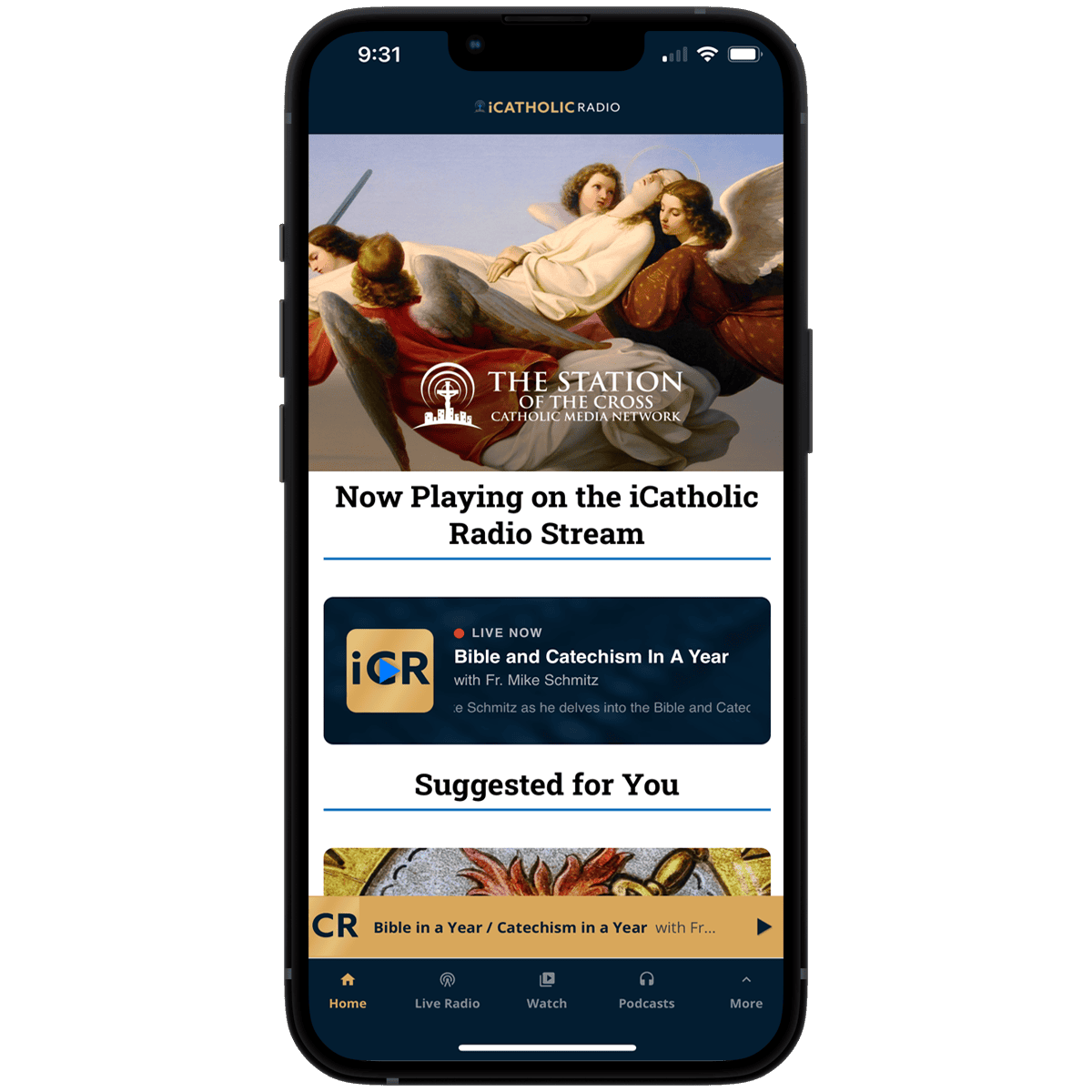
Catholic Radio, Anywhere
Faithful Catholic programming from morning to night. Watch or listen. Always free.
Get the App