
Listen Live
Pause
Sorry, no results.
Please try another keyword



Today’s feast honors the Transfiguration of Jesus Christ on the heights of Mount Tabor, as witnessed by Ss. Peter, James and John. This glorious glimpse of Christ’s Divinity was a spiritual consolation to the three Apostles who would later accompany their Master during His Agony in the Garden. Two Old Testament figures also appeared: Moses, representing the patriarchs, and Elijah, representing the prophets. Peter was so stunned by the glory of Christ that he suggested they should all stay on the mountain, briefly forgetting that persevering until the end would ensure far greater glories in heaven. Our Lord soon returned to His previous state, after His Heavenly Father proclaimed Him to truly be the Son of God by repeating the words spoken at the Baptism in the Jordan, adding the command “hear ye Him!” The celebration of this feast originated in the East, and was promulgated in the West by Pope Callixtus III in gratitude for the Catholic victory over the Muslim Turks at the Siege of Belgrade, on this day in the year of Our Lord 1456.
ON Mount Thabor, the transfiguration of our Lord Jesus Christ.
At Rome, on the Appian road, in the cemetery of Callistus, the birthday of blessed Xystus II, pope and martyr, who received the crown of martyrdom in the persecution of Valerian, by being put to the sword.
Also, the holy martyrs Felicissimus and Agapitus, deacons of blessed Xystus; Januarius, Magnus, Vincent, and Stephen, subdeacons, all of whom were beheaded with him, and buried in the cemetery of Praetextatus. With them suffered also blessed Quartus, as is related by St. Cyprian.
At Burgos, in Spain, in the monastery of St. Peter of Cardegna, of the Order of St. Benedict, two hundred monks, with their abbot Stephen, who were put to death for the faith of Christ by the Saracens, and buried in the monastery by the Christians.
At Alcala, in Spain, the holy martyrs Justus and Pastor, brothers. While they were yet schoolboys, they threw aside their books in school, and spontaneously ran to martyrdom. By order of the governor Dacian, they were arrested, beaten with rods, and as they exhorted each other to constancy, were led out of the city, and had their throats cut by the executioner.
At Rome, St. Hormisdas, pope and confessor.
At Amida, St. James, a hermit renowned for miracles.
℣. And elsewhere many other holy martyrs, confessors, and holy virgins.
℟. Thanks be to God.
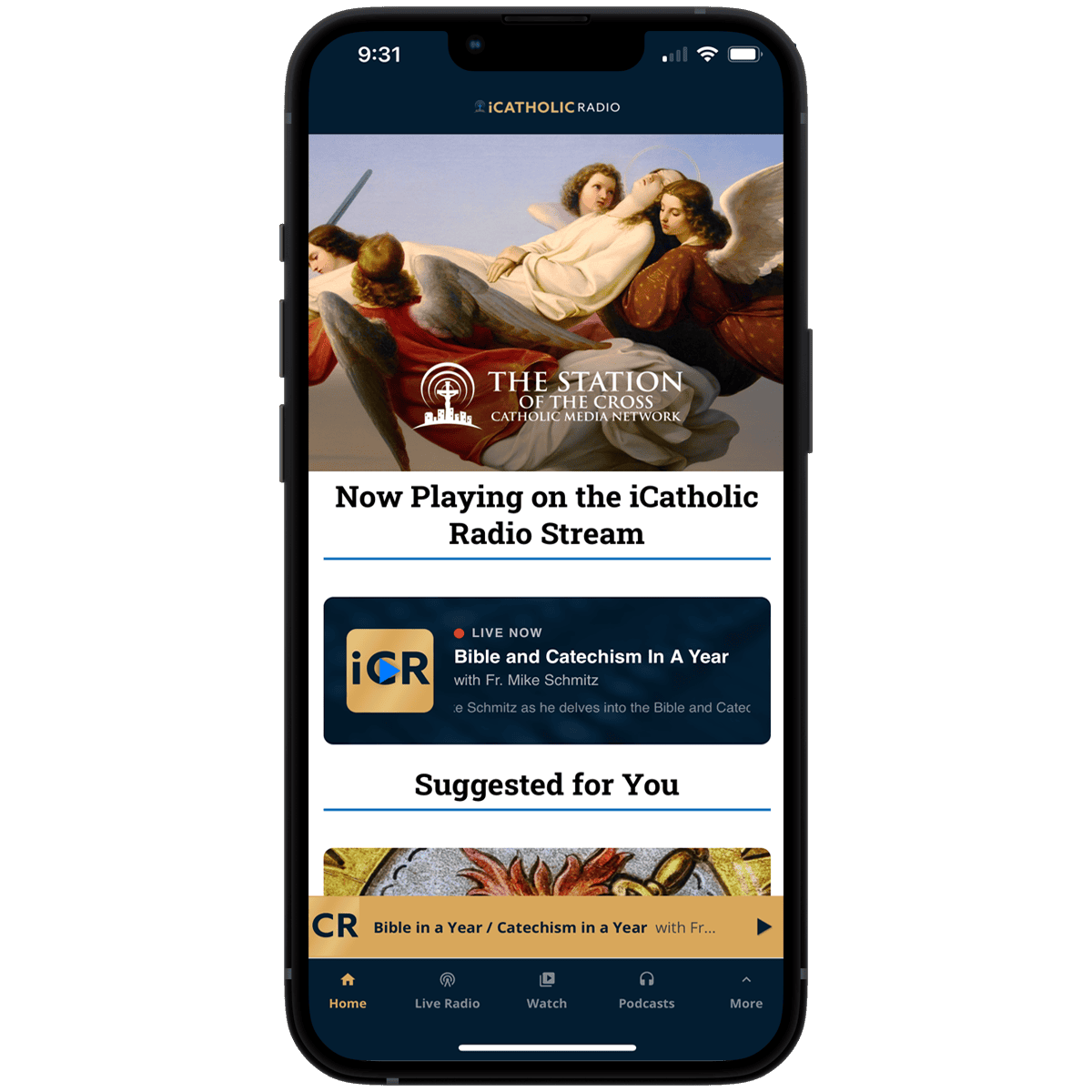
Catholic Radio, Anywhere
Faithful Catholic programming from morning to night. Watch or listen. Always free.
Get the App